Buying silver (coins, bars, or rounds) on eBay carries risks because counterfeit items—often high-quality fakes from overseas—are common. Scammers replicate designs, weights, and appearances closely, but many are plated base metals, clad, or alloys. While eBay has a Money Back Guarantee for “Item Not as Described,” prevention is better than refunds (which require returns or disputes within the window, and some fakes slip through).Here are practical steps to minimize the chance of purchasing fake silver:1. Check the Price Against Spot Value
- Know the current silver spot price (per troy ounce) before browsing—check a reliable site like Kitco or a bullion dealer.
- Legitimate silver almost always sells above spot due to minting premiums, shipping, and seller fees. Prices at or below spot (or “too good to be true” deals) are major red flags for fakes. youtube.com
- Avoid anything significantly discounted, especially popular items like American Silver Eagles or generic rounds.
2. Vet the Seller Thoroughly
- Look for sellers with high feedback (ideally 99%+ positive, with at least several hundred to 1,000+ transactions in similar categories). New or low-feedback accounts are riskier. reddit.com
- Review the seller’s other listings: Do they specialize in bullion/coins with consistent descriptions? Or do they sell a random mix of cheap items?
- Prefer US-based sellers over international ones (especially China or India), as many counterfeits originate there and shipping/return issues are harder.
- Read recent buyer feedback for mentions of “fake,” “not real,” “plated,” weight issues, or refunds.
3. Scrutinize the Listing Details
- Examine high-resolution photos closely: Look for hallmarks (.999, .925, mint marks), edge details, and consistency with known genuine examples. Misleading stock photos or poor-quality images are warnings.
- Read the full description for weasel words like “silver-plated,” “100 mills,” “silver clad,” or vague “precious metal” claims—these often indicate fakes.
- Check if the item is listed as “raw” (uncertified) vs. graded by PCGS/NGC. For graded coins, verify the certification number on the grading service’s website if possible.
- Avoid “reproductions” or items without clear purity/weight specs.
4. Use eBay Protections Wisely
- eBay’s Authenticity Guarantee applies to certain jewelry categories with fine metals (including sterling silver), but it is not generally available for bullion coins/bars. Look for the checkmark on eligible listings. ebay.com
- Pay with a credit card or PayPal for extra buyer protection layers.
- If something arrives suspicious, open an “Item Not as Described” case promptly (within 30 days typically) and document everything with photos/tests.
5. Test Upon Receipt (Before the Return Window Closes)Even careful buyers should verify:
- Magnet test: Real silver is not magnetic. A strong neodymium (rare earth) magnet should not stick or be strongly attracted. (Some sophisticated fakes pass this, so combine with others.)
- Weight and dimensions: Use a precise digital scale (troy ounces/grams) and calipers. A 1 oz silver coin should weigh ~31.1 grams. Fakes often deviate slightly.
- Ping test: Tap the item gently with another metal object—it should produce a clear, high-pitched, sustained ring (not a dull thud). Practice with known genuine silver first. youtube.com
- Ice cube test: Place an ice cube on the item—real silver conducts heat well, melting the ice faster than most fakes.
- Visual/ring test: Check for proper luster, no seams, and correct edge reeding.
- For serious verification: Take it to a local coin shop for acid testing, specific gravity, or professional tools like a Sigma Metalytics verifier. Some shops do this as a courtesy.
Additional Tips
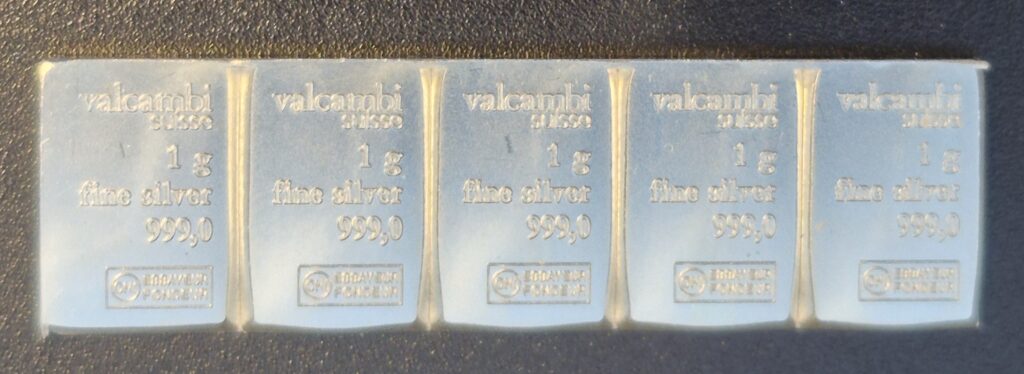
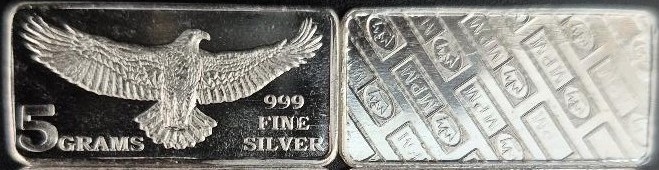
- Start small: Buy inexpensive silver grams first to test the seller.
- Consider alternatives for lower risk: Reputable online bullion dealers (with return policies), local coin shops, or government mints directly—though prices may be higher.
- Educate yourself on common fakes (e.g., counterfeit American Silver Eagles or generic rounds) via coin forums or videos from trusted stackers.
- If in doubt, walk away—plenty of silver is available elsewhere.
eBay can be convenient for deals, but many experienced buyers limit or avoid it for bullion due to the prevalence of counterfeits. Stay vigilant, do your homework, and treat low prices with extreme skepticism. If you receive something suspicious, act fast on the guarantee to protect yourself.